Tell:+86-13817195341
Электронная почта : sales@chinlift.cn


Tell:+86-13817195341
Электронная почта : sales@chinlift.cn

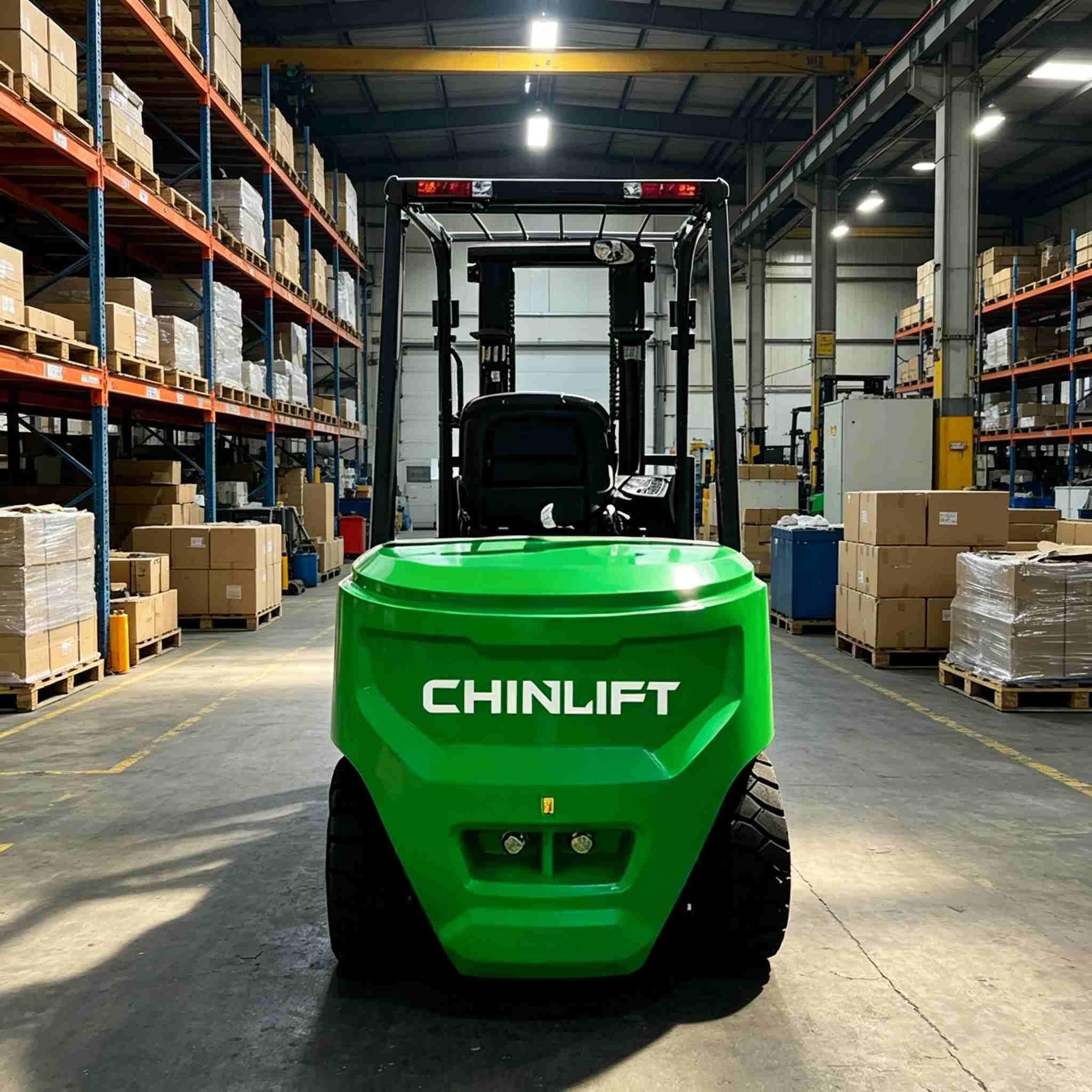
Аккумуляторы для вилочных погрузчиков (обычно свинцово-кислотные или литий-ионные) являются сердцем электрических вилочных погрузчиков. Правильное техническое обслуживание не только продлевает срок их службы, но и значительно снижает эксплуатационные расходы. Следующие основные стратегии, рекомендованные... Подъемный вилочный погрузчикДля достижения оптимальной производительности необходимо соблюдать следующие правила.
Для эффективного Обслуживание и поддержание работоспособности свинцово-кислотных аккумуляторных батарей для вилочных погрузчиков.Для свинцово-кислотных аккумуляторов следует придерживаться принципа «разрядка не менее чем на 20% перед перезарядкой». Частая подзарядка по мере необходимости (зарядка в любое удобное время) ускоряет сульфатацию пластин, что приводит к необратимой потере емкости. Каждый цикл зарядки должен быть полностью завершен, чтобы избежать эффекта кумулятивной памяти. Техническое обслуживание и поддержание работоспособности литиевых батарей вилочных погрузчиков.Гибкая зарядка допустима при ежедневном использовании, но следует избегать длительного пребывания в режиме 100% заряда, чтобы замедлить старение.
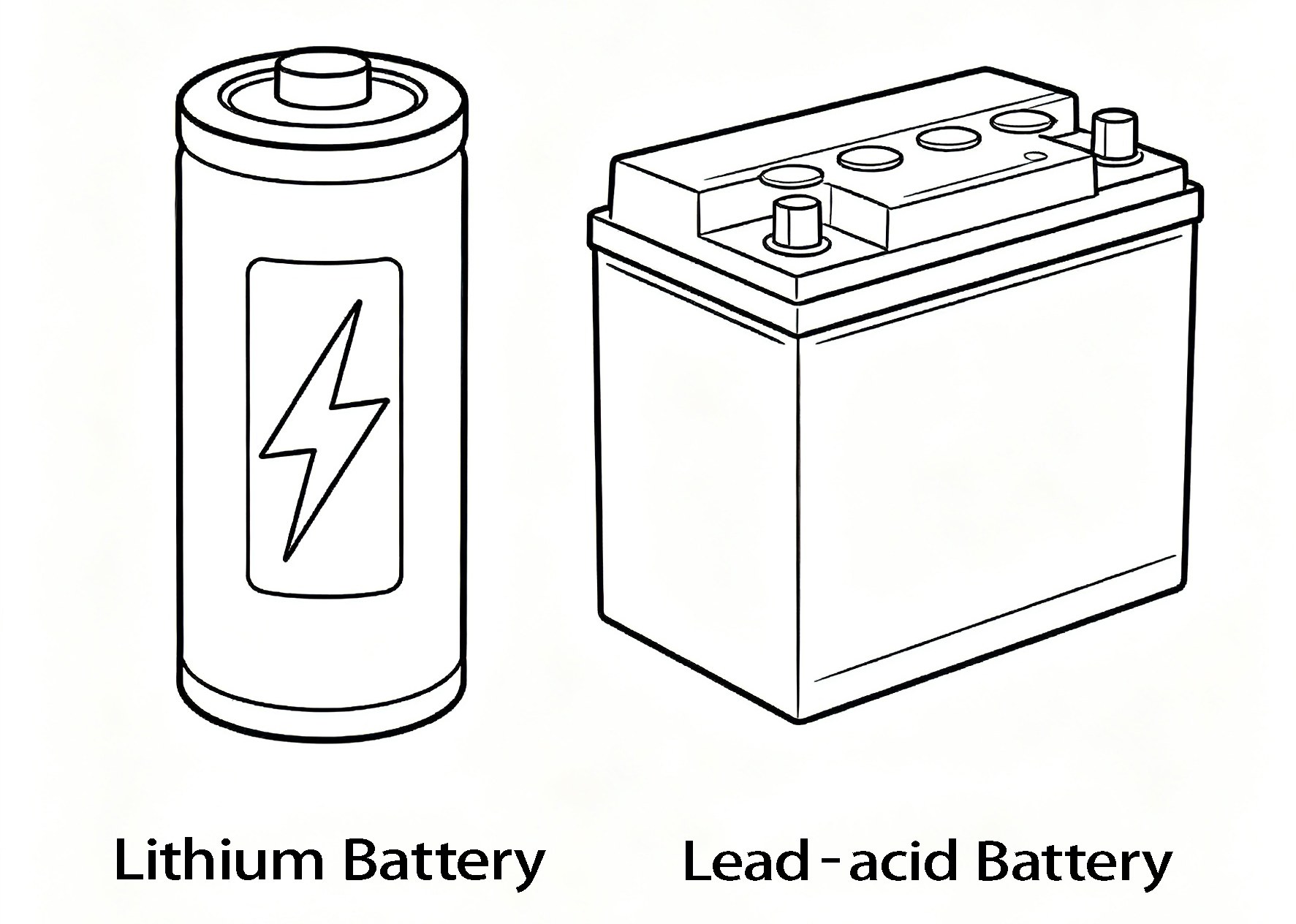
Для свинцово-кислотных аккумуляторов глубина разряда (DOD), превышающая 80%, может серьезно повредить структуру пластин. Рекомендуется установить пороговое значение для оповещения о необходимости замены аккумулятора (например, 30% остаточной емкости). Литиевые аккумуляторы имеют более высокую допустимую глубину разряда (до более 90%), но поддержание разумного запаса все же целесообразно для защиты системы управления аккумулятором (BMS). Обе эти практики подчеркиваются в руководстве по эксплуатации вилочных погрузчиков CHINLIFT.
Для устранения дисбаланса напряжения между отдельными ячейками проводите выравнивающий заряд каждые 5–10 циклов. Одновременно регулярно проверяйте уровень электролита. После зарядки и перед отдыхом следует добавлять дистиллированную воду, оптимальный уровень которой составляет 10–15 мм над пластинами. Добавление воды при разряженной батарее строго запрещено, так как это может привести к переливу электролита. Эти шаги крайне важны для поддержания работоспособности свинцово-кислотных аккумуляторов для вилочных погрузчиков.
Оптимальный диапазон рабочих температур для свинцово-кислотных аккумуляторов составляет от 20°C до 25°C. При повышении температуры на каждые 8°C срок службы аккумулятора сокращается примерно вдвое. Во время зарядки температура аккумулятора не должна превышать 45°C. Поверхность аккумулятора должна быть чистой, сухой и свободной от коррозионных веществ. Для предотвращения увеличения контактного сопротивления на клеммы следует наносить антикоррозийное средство. Компания CHINLIFT Forklift рекомендует внедрить эти меры контроля окружающей среды в повседневную работу.
Ежедневные записи должны включать: напряжение на клеммах в конце зарядки, удельную плотность электролита (для свинцово-кислотных батарей), продолжительность работы и любые отклонения от нормы. Проводите проверку емкости раз в месяц и сравнивайте результаты с базовыми значениями. Используйте интеллектуальное зарядное устройство и систему мониторинга батарей для отслеживания напряжения отдельных ячеек, температуры и количества циклов зарядки/разрядки в режиме реального времени. Эти методы в равной степени применимы как к обслуживанию свинцово-кислотных батарей для вилочных погрузчиков, так и к обслуживанию литиевых батарей для вилочных погрузчиков.
Благодаря описанному выше систематическому управлению, свинцово-кислотные батареи, как правило, могут выдерживать от 1500 до 2000 циклов, в то время как литиевые батареи — более 3000 циклов, что снижает общую стоимость владения (TCO) на 30–40%. Компания CHINLIFT Forklift поддерживает эти стратегии технического обслуживания, помогая клиентам максимально увеличить срок службы батарей и повысить эффективность работы.
Авторские права
@ Хэфэйский вилочный погрузчик Chinlift Co., Ltd. Все права защищены.
 ПОДДЕРЖИВАЕТСЯ СЕТЬ
оставить сообщение
Отсканируйте QR-код для отправки в WeChat :

Отсканируйте в WhatsApp :